

We can’t say this enough: If you are into Bitcoin, learn about self-custody.
One of the most important ideas behind Bitcoin is financial sovereignty -> the ability to control your own money without relying on banks or other intermediaries. But owning Bitcoin on an exchange is very different from actually controlling it.
This is where self-custody comes in.
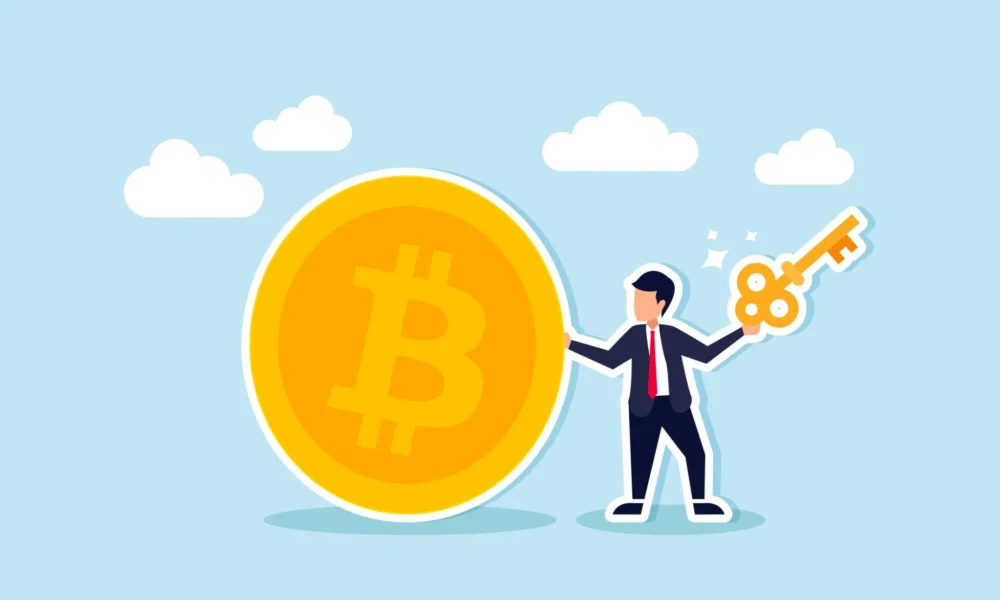
Self-custody means holding your own private keys and taking full control over your Bitcoin. For many experienced Bitcoin users, learning self-custody is considered an essential step in truly understanding the purpose of Bitcoin.
Table Of Content
What Self-Custody Means
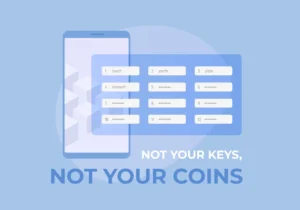 When you buy Bitcoin on an exchange, such as a trading platform or brokerage service, the platform usually holds your Bitcoin for you. While your account may show a balance, the exchange technically controls the private keys associated with those funds. You will have to trust the exchange that they actually own those bitcoin, but you can’t verify.
In contrast, self-custody means you hold those keys yourself through a wallet that you control and verifty.
In simple terms:
- Exchange custody: The platform controls your Bitcoin
- Self-custody: You control your Bitcoin
The Bitcoin community often summarizes this idea with the phrase: “Not your keys, not your coins.”
Why Exchanges Carry Risk
Cryptocurrency exchanges provide convenience. They make it easy to buy, sell, and trade Bitcoin. However, keeping large amounts of Bitcoin on an exchange carries several risks.
Counterparty Risk
When your Bitcoin is stored on an exchange, you are trusting that company to safeguard your funds. If the platform becomes insolvent, is hacked, or freezes withdrawals, your Bitcoin could become inaccessible.
The history of cryptocurrency includes several well-known exchange failures where users lost access to their funds.
Security Targets
Exchanges hold large amounts of digital assets, making them attractive targets for hackers. Even well-secured platforms have experienced security incidents in the past.
Regulatory Risk
Depending on the jurisdiction, exchanges may be required to freeze accounts, restrict withdrawals, or comply with legal orders that affect user funds.
Self-custody removes many of these risks because the Bitcoin is stored in a wallet that only you control.
Hardware Wallets vs Software Wallets
To practice self-custody, Bitcoin users typically rely on digital wallets that store their private keys.
There are two common types.
Software Wallets
Software wallets run on phones or computers. They are easy to set up and convenient for everyday transactions.
Examples include mobile or desktop wallets that allow users to send and receive Bitcoin quickly. These wallets are often suitable for smaller balances or frequent spending.
Hardware Wallets
Hardware wallets are physical devices designed specifically for securing cryptocurrency keys. Because they store private keys offline, they provide stronger protection against online attacks.
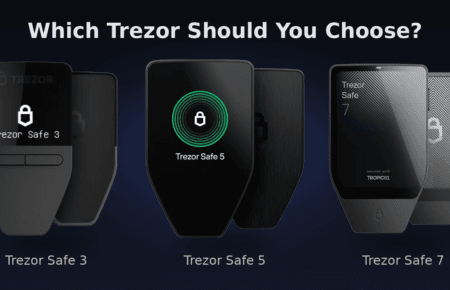
Many long-term Bitcoin holders use hardware wallets to secure their savings. Our favorite and most recommended hardware wallet is the Trezor. They offer the highest security for an affordable price.
More information about different wallets: Which Bitcoin Wallet Should You Use?
The Importance of Backup and Recovery
 With self-custody comes responsibility.
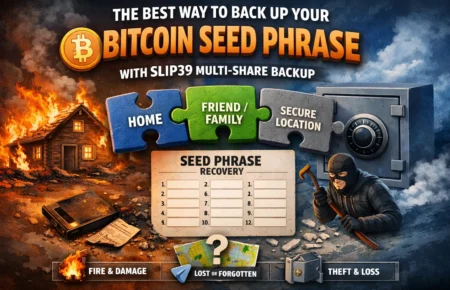
When creating a wallet, users are typically given a recovery phrase, sometimes called a seed phrase. This phrase allows the wallet to be restored if the device is lost or damaged.
Keeping this phrase secure is critical. Anyone with access to the recovery phrase can access the Bitcoin stored in that wallet.
Best practices include:
- Writing the phrase down offline
- Storing it in a safe location
- Never sharing it with anyone
Self-Custody as a Core Bitcoin Principle
Bitcoin was designed to operate without centralized authorities. Self-custody reflects that principle by allowing individuals to control their own funds directly.
While exchanges and custodial services play an important role in making Bitcoin accessible, self-custody remains one of the defining features that makes Bitcoin different from traditional financial systems.
Learning how to safely store Bitcoin in a personal wallet helps users fully experience the independence and security that the technology was designed to provide.
Final Thoughts
Self-custody may seem intimidating at first, especially for new Bitcoin users. However, understanding how to control your own private keys is a valuable skill for anyone who plans to hold Bitcoin long term.
By learning the basics of wallets, backups, and security practices, Bitcoin users can take an important step toward true financial sovereignty, one of the original promises of the Bitcoin network.