


As the popularity of Bitcoin continues to rise, choosing the right Bitcoin wallet has become crucial for anyone looking to buy, store, or trade cryptocurrency. With so many options available, finding the best wallet can be overwhelming. In this article, we’ll break down the key types of Bitcoin wallets, their features, and recommend some top choices to help you make an informed decision.
Types of Bitcoin Wallets
Before diving into specific wallets, it’s essential to understand the different types available. Each wallet type offers unique benefits and is suited for different needs.
- Hardware Wallets
- Security: These are physical devices that store your Bitcoin offline, providing the highest level of security against hacks.
- Popular Choices: Trezor, Ledger Nano S, Ledger Nano X.
- Best For: Long-term holders who prioritize security.
- Software Wallets
- Convenience: These are apps or software programs installed on your computer or smartphone, allowing easy access to your Bitcoin.
- Popular Choices: Electrum (desktop), Exodus (desktop and mobile), Mycelium (mobile).
- Best For: Active traders and those who need quick access.
- Web Wallets
- Accessibility: These are cloud-based wallets accessible via any browser, offering convenience but less security.
- Popular Choices: Blockchain.com, Coinbase Wallet.
- Best For: Beginners who prefer ease of use over advanced security.
- Paper Wallets
- Offline Storage: These are physical documents with your private and public keys printed on them. They provide security through offline storage but are less convenient.
- Best For: Long-term storage with a focus on security.
- Custodial Wallets
- Third-Party Management: These wallets are managed by a third-party service, often exchanges, that hold your private keys for you.
- Popular Choices: Binance Wallet, Coinbase Wallet.
- Best For: Users who prefer not to manage their own security.
Top Bitcoin Wallet Recommendations
Now that you know the types of wallets, here are some of the best options based on different user needs in random order:
- Ledger (Hardware Wallet)
- Pros: High security, Bluetooth connectivity, supports multiple cryptocurrencies.
- Cons: Expensive, requires safe physical storage.
- Ideal For: Users who want top-notch security and plan to store significant amounts of Bitcoin.
- Electrum (Software Wallet)
- Pros: Lightweight, fast, open-source, supports cold storage.
- Cons: Basic interface, no built-in customer support.
- Ideal For: Experienced users who value speed and customization.
- Exodus (Software Wallet)
- Pros: User-friendly, integrated exchange, supports multiple cryptocurrencies.
- Cons: Limited security features, no two-factor authentication (2FA).
- Ideal For: Beginners who need an intuitive and visually appealing wallet.
- Coinbase Wallet (Web Wallet)
- Pros: Easy to use, integrates with Coinbase exchange, strong security measures.
- Cons: Custodial wallet, limited control over private keys.
- Ideal For: Newbies who want a seamless experience between a wallet and exchange.
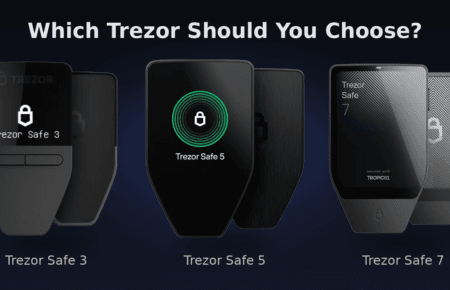
- Trezor (Hardware Wallet)
- Pros: Advanced security, touchscreen, supports a wide range of coins.
- Cons: Expensive, slightly bulky design.
- Ideal For: Users looking for a premium hardware wallet with top-tier security.
Choosing the right Bitcoin wallet depends on your specific needs, whether it's security, convenience, or ease of use. Hardware wallets like Ledger and Trezor are ideal for those who prioritize security, while software wallets like Electrum and Exodus offer a good balance of convenience and control. For beginners, web wallets like Coinbase Wallet provide an easy entry point into the world of Bitcoin.
Remember, the safety of your Bitcoin ultimately depends on how well you manage your wallet. Always enable security features like two-factor authentication (2FA) when available, and never share your private keys with anyone.

René
Editor